
A Psychological and Metaphysical Study of
Dr. Edward Bach's
Flower Essence Stress Formula
Jeffrey R. Cram
Abstract
A traditional psychophysiological stress profiling research paradigm is applied to the study of a flower essence combination (Five-Flower Formula) on the "stress response". A double blind, placebo control group out come study is conducted, in which 24 subjects are administered either a placebo or the flower essence combination prior to engaging in a Paced Serial Arithmetic Task (PSAT). The impact of the PSAT test on the two groups is assessed using a traditional surface electromyograph, with the electrodes being placed at 6 sites. Two of these sites (frontal and cervical) reflect traditional monitoring sites, but all 6 sites were selected to reflect placement over the Chakras. In addition, the ANS is monitored by measurement of peripheral hand temperature and skin conductance (GSR) activity. The results of the study indicate that the flower essence group showed a significantly smaller stress response at the cervical (Throat Chakra) site, as well as the T6 paraspinal (Heart Chakra) site. The emotional/psychophysiological and metaphysical interpretation of the findings are given.
Introduction
When one begins the process of the scientific study of alternative therapies, such as flower essences, one must appreciate the necessity to consider alternate ways of utilizing the scientific method. The study of metaphysical events using classic psychophysiological methods, alone, leaves something to be desired. Negative findings, rather than it being a statement about the veracity of the metaphysical phenomena itself, could represent the fact that one is looking for results in the wrong place or has chosen to monitor the wrong physiological system.
For this reason, while the study of flower essences described below utilizes a standard psychophysiological method called "stress profiling", it selected physiological sites to monitor whose locations have both traditional psychophysiological interpretations as well as metaphysical ones. The tool used to monitor these sites is known to collect information about muscle activity (surface electromyography or sEMG). Therefore, we can potentially interpret the signal for emotional displays or postural support [1] [2] [3] [4]. Yet the selected sites are also considered by some to be "sacred", in that they are simultaneously located where the Chakras are known to reside [5] [6] [7] [8] [9]. Thus, metaphysical explanations are also possible.
Knowledge of flower essence properties is derived from study of the physical and energetic properties of the source plants. Indications are refined and verified by extensive anecdotal reports of their effects in clinical practice and home care. However, there are few formal scientific studies of flower essences, and the current study is an attempt to begin to fill this gap.
Like homeopathic remedies, flower essences are physically dilute (1:300 from the original infusion of the flowers). Therefore, it is unlikely that the effects of flower essences are due to physiological impacts of bio-physical components. Rather, the most likely hypothesis is that they work through energetic resonance.[10] Evidence of energetic fields produced by flower essences can be found in color-plate photographs by the German researcher Dieter Knapp.[11] Using a variation of the Kirlian method, Dr. Knapp placed a drop of each flower essence on special photographic film. Each essence produced a distinct pattern, described by Knapp as an indicator of its characteristic bioenergy pattern.
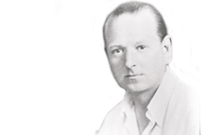
The first flower essences were developed by Dr. Edward Bach in England< in the 1930's. [12] [13] After practicing as a bacteriologist at University College Hospital , >London, Bach took a post at the Hahnemann Hospital< and develop a series of homeopathic bowel nosodes, still in use today.
He then left the practice of homeopathy to develop a new form of natural healing that would directly address the emotional and mental aspects of illness. For this purpose, he found that the dew on fresh blossoms of certain plants, when exposed to the light and warmth of the morning sun, contained a certain "essence" of the plant's energetic qualities, which had a profound effect on the human psyche. He then developed a modified preparation method, which is currently in use, by collecting fresh blossoms and placing them on the surface of a bowl of water, exposed to the morning sun, until the essence of the flower has been infused into the water. In certain cases, particularly with flowering shrubs and trees, heat was applied to the blossoms to produce the essence.
When the appropriate essence is ingested by a person (several drops, several times a day), it awakes an awareness of a particular emotional and/or mental pattern that is repressed or in conflict, assisting the person to make lasting changes.
Patricia Kaminski, in her book Flowers That Heal[14], describes this process as "uniting the human soul with the soul of nature." Bach's intention was that flower essences are selected to address the issues affecting the person's psyche, or soul, and through changes in attitude and awareness physical health is impacted. Thus, a clinician using flower essences generally does an intake interview exploring the psychological aspects of a person's condition. Once the individual is understood as a whole being, a selection of several flower essences may be given as catalysts for psycho-spiritual change and greater mind-body health.[15]
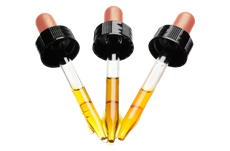
Dr. Bach's flower essence stress formula was chosen for this study because its effects are much more immediate than most flower essences, and its indication for stressful situations is generally applicable to a wide range of the population. The study examines short-term psychological responses to a stressful event, as revealed by specific physiological indicators. The traditional psychophysiological findings of the study are then examined and compared a more metaphysical interpretation. In this article, I will briefly review and explore some of the traditional conceptualizations for stress profiling, while also introducing and demonstrating a unique metaphysical perspective which reaches back to ancient Vedic writings.
The Psychophysiological Perspective
The psychophysiological procedure utilized to study the emotional reactivity of the body is called stress profiling. Looking for correlates to human emotions extends throughout the history of psychophysiology[16] [17] [18], with the hope that we would be able to objectively determine the individual's emotional state without having to rely upon self report. As investigations moved into applied clinical research, the questions were directed more at whether we can identify those individuals who are at risk for a particular disorder. For excellent reviews on these topics, see Haynes[19] and Schwartz[20].
On a purely mind-body level, a key attribute of muscles is that of emotional display. On one level, we can conceptualize emotions as setting muscle tone as the foundation upon which intentional movement exists (e-motion). When the muscle activation associated with emotions occurs, energy is sent out into the neuromuscular system, taking up the "slack" in the system and increasing the tone or resting level[21] [22]. This emotional bracing or increased tonus may also effect the quality of movement. Professional athletes certainly know how emotional arousal can "unintentionally" alter their levels of exertion or change the timing associated with coordinated movement.
In addition, it is not uncommon for patients to react to stressful events in a "stereotypic" fashion. Individual Response Stereotypy [23] is the tendency for an individual to respond to a variety of stressors with a similar physiologic response. This tendency was first noted in the early 60's, where some individuals were observed to always respond to a stressful event by, say, speeding up their heart rate or by tensing just their shoulder muscles. Within the neuromuscular system, emotional arousal and associated stereotypy have been studied for the facial muscles[24], the postural muscles , and the muscle spindle[25].
So, one question to ask is: Where do we search for these stereotypic patterns? We can look for signs of autonomic arousal through recordings from hand temperature and electrodermal activity (EDA). Recordings from the wide frontal placement is a very popular sEMG placement since is provides an excellent barometer of the negative emotional displays found on the upper face. The role of posture also needs to be considered. A simple visual observation of depressed patients usually indicates stooped shoulders and fallen chest, while the anxious patient may have their shoulders markedly elevated as if to protect their neck. Whatmore[26] [27] has validated this phenomena using sEMG recordings. Reactivity in the trunk muscles during stress may show a high level of specificity. Cram[28] has presented a case example of sEMG recordings from the right and left trapezius muscle groups using the cervical trapezius placement. Here a patient who had injured their right upper quarter during a fall down some stairs, resulting in headache and right upper quarter pain, was tested using a stress profiling procedure. For this patient, only the injured right cervical trapezius lead responded to the stressor, and was followed by a very poor recovery pattern (return to baseline). The uninjured left aspect show only a small, insignificant response. Flor[29] has also demonstrated the specific effects of emotions on the muscles of the low back. In this study of the right and left aspect of the erector spinae muscles were studied in a group of low back patients, a group of general pain patients (i.e., pain other than low back) and a group of healthy controls. Each group was presented with various types of stressors. The findings of this study clearly demonstrated that only the low back pain patients experienced an emotional response (activation pattern), primarily in the left erector spinae muscles and only during stressors relevant to the patient's condition.
Table 1.
The Flower Essences found in the Five Flower Formula[30].
|
Flower Essence |
Quality |
|
Cherry Plum Prunus cerasifera |
For tension and fear of losing control. Helps create a sense of inner peace and stillness. |
|
Clematis Clematis vitalba |
For lack of clarity and consciousness. Helps to draw one's consciousness back into the body, and into present time. |
|
Impatiens Impatiens glandulifera |
For irritability, impulsiveness and hastiness. Allows one to flow with outer events. |
|
Rock Rose Helianthemum nummularium |
For conditions of fear. Provides a calming, stabilizing force to the situation. |
|
Star Of Bethlehem Ornitholagalum |
For shock and trauma. Helps one to accept and understand the deeper meaning of ones experience. |
Thus, the literature on stress profiling demonstrates that predictable patterns of reactivity may be seen at traditional sites for emotional display, sites of injury or sites of reported of pain. While these perspectives have provided us with a wealth of information, they are limited in terms of the current study by their pure psychophysiologic basis of interpretation.
Flower Essence Perspective
In the current study we studied the Five Flower Formula, prepared by Julian and Martine Barnard in Herefordshire, England. They follow Dr. Edward Bach's original method and formula, which he developed in the 1930's as "Rescue Remedy." The essences in the study were bottled and prepared by Flower Essence Services of Nevada City, California. Because of possible differences in preparation method, it is not known if the findings of this study will be applicable to other brands of this formula.
The primary use of Five-Flower Formula is for the treatment of physical trauma, emergencies and crisis situations. It contains the flower essence combination described in Table 1.
Based on a 70 year history of anecdotal case reports on the effectiveness of Dr. Bach's formula in ameliorating the effects of stress and trauma, it seemed a likely candidate to influence the physiological response to stress in some way. Yet no studies on the psychophysiological mechanisms of action of the flower essence had been performed to date.
To study the effects of the subtle energy of this flower essence combination, it seemed necessary to embrace the some of traditional psychophysiological recording sites, yet broaden the selection of these placements such that a conceptual framework of stress profiling could include the possible metaphysical influences of flower essences. Rather than sticking to the routinely used sEMG recording sites of the frontal, neck, shoulder or forearm[31], it was decided to extend the study to include multiple sites along the human spine. These non-traditional sites were selected such that they reflected the location of the Chakras. In fact, all of the sEMG recording sites were specifically designed to reflect emotional / posture, as well as Chakra site activity. The dual nature of the each site maybe seen in table 2.
Table 2.
sEMG recording sites and their two levels of meaning.
|
sEMG Site Location |
Psychophysiological Meaning |
|
|
Wide Frontal |
Seat Of Negative Emotions. |
3rd Eye: Divine Joy. Also Seat Of Knowledge / Enlightenment. |
|
Mastoid to Mastoid Process |
Muscle Tension Of Axis. Postural: Head Position. |
Medulla Oblongata: The Ego. Also The Entry Point of Prana Which Regulates Breath. |
|
Bilateral C4 Paraspinals |
Muscle Tension Of Neck. Postural: Anti-Gravity Muscles |
Throat Chakra: Center of Will. Also Associated With Calmness. |
|
Bilateral T6 Paraspinals |
Intrascapular Muscle Tension Postural: Anti-Gravity Muscles |
Heart Chakra: Divine Love. Also Desires and Attachments. |
|
Bilateral T12 Paraspinals |
Muscle Tension at the Thoracic Lumbar Junction. Postural: Anti-Gravity Muscles |
Lumbar Chakra: Strong Sense Of Self Control, Self Image. |
|
Bilateral L3 Paraspinals |
Muscle Tension of the Lumbar Sacral Area. Postural: Anti-Gravity Muscles |
Sacral Chakra: Creativity, Power, Sexuality. |
Two previous studies have demonstrated the sensitivity of sEMG recordings at these Chakra sites while studying the subtle influences of procedures such as Therapeutic Touch[34] and Distant Prayer[35]. The Chakras sites are known to have specific locations in the human body, and are describes as the point where the flow of pranic energy is purported to be the greatest.
Procedure
A randomized double blind placebo control, group outcome study was conducted. There were 12 subjects in each group: Flower Essence Vs Placebo. The flower essence group received 4 drops of the Five Flower Formula under the tongue. The essence, itself, has no taste and is carried in a brandy water mixture. The placebo group received four drops sublingually of only the brandy water mixture. Their mean age of the subjects in the study was 46.2 years (range = 18-67), and there were 8 men and 16 women.
The physiological recordings were made using a J&J I-330 computer interface with 6 eletromyographic channels (M501) set to the 100-200 Hz band pass filter as a measure to eliminate or reduce the ECG artifact. There was also one skin conductance channel (T601) and one peripheral hand temperature monitor (T601). sEMG electrodes (Norotrode 3.0, Norodyn, Tukwilla, WA), were place 3.0 cm apart bilaterally at the Frontal, C4, T6, T12 and L3 sites. In addition one sEMG recording site, the mastoid to mastoid recording site, entailed placing an active electrode on the right and left mastoid process. Lastly, a peripheral hand temperature probe was placed on the back of the middle finger, while two EDA recording electrodes were placed in the second phalanx of the ring and index finger. Data was collected by the computer using the U.S.E. physiological monitoring software on a second by second basis, and then averaged into one minute averages. These one minute averages were utilized for data analysis.
The experimental procedure entailed the following 5 components: 1) A five minute adaptation baseline period; 2) A 1 minute period was allowed for the administration of the essence or placebo; 3) A three Minute response time to the essence, which also served as the baseline comparison for the stress profile; 4) A three minute serial arithmetic task (pre-recorded audio tape from Hartje's Flow Chart); 5) A three minute recovery period.
Results
The data from each channel of physiological information was analyzed independently using a standard analysis of variance (ANOVA). The variables in the analysis have 3 factors: Group having 2 levels (flower essence Vs placebo); Period having 3 levels (Baseline, Stress, Recovery); and Time having 3 levels (Minutes 1-3). The group variable was handled as a between variable, while the period and time variables were the repeated measures.
Table 3.
ANOVA results for the sEMG variables
of the flower essence study.
|
Term/ Variable |
Essence Effect |
Period Effect |
Time Effect |
Essence xPeriod |
Essence xTime |
Period xTime |
Essence xPeriod xTime |
|
Frontal F sEMG P |
1.91 p 0.18 |
2.6 p 0.07t |
1.4 p 0.24 |
.12 p 0.88 |
.06 p 0.93 |
5.1 p 0.0008* |
0.8 p 0.98 |
|
Mastoid F sEMG P |
.23 p 0.63 |
24.43 p 0.000* |
3.12 p 0.53* |
.11 p 0.89 |
.11 p 0.89 |
35.86 p 0.000* |
.41 p 0.79 |
|
Cervical F sEMG P |
.09 p0.76 |
5.6 p0.006* |
2.23 p0.11 |
.004 p0.99 |
.23 p0.79 |
6.7 p0.0000* |
3.2 p0.01* |
|
Thoracic F sEMG P |
.05 p0.81 |
1.5 p0.22 |
7.3 p0.001* |
.74 p0.48 |
1.43 p0.24 |
.52 p0.71 |
3.1 p0.01* |
|
Lumbar F sEMG P |
.88 p0.35 |
.62 p0.54 |
2.0 p0.14 |
2.6 p0.08t |
.74 p0.48 |
3.4 p0.016* |
.01 p0.99 |
|
Sacral F sEMG P |
.56 p0.45 |
.93 p0.39 |
.14 p0.86 |
.28 p0.75 |
.02 p0.97 |
.25 p0.90 |
.15 p0.95 |
* means statistically significant. t means "statistical trend".
The results of the sEMG analysis are presented in Table 3. This presents the F statistic and probability value for the each term and interaction of the analysis.
As can be seen from this table, the Period effect was significantly different from the neck up. The Time effect, by itself, is considered fairly meaningless. The Essence by Period interaction term shows one strong trend seen at the lumbar recording site. The Essence by Time interaction term is also considered fairly meaningless by itself. The Period by Time interaction term is quite important in that it collapses across the placebo and essence groups, while having the ability to demonstrate an over all psychophysiological response to the PSAT event. This term shows significant effects on all variables with the exception of the heart and sacral recording sites. The lack of a significant stress response for the T6 / Heart Chakra site may be attributed to the attenuating effects of the flower essence (Figure 10). The lack of significance at the L2 / sacral site appears to be due to excessive variability (Fig. 12). The patterns of psychophysiological stress responses, as indicated by the Period x Time interaction, can be seen in Figures 1-6. As can be seen, at all of the sEMG recording sites, the stress response is at a higher level of amplitude compared to the baseline levels.
In an additional post hoc analysis, the level of the stress response for each recording site was calculated by subtracting the mean for the stress period from that of the first baseline period. This is considered to describe the magnitude of the stress response to the PSAT, and may be seen in Figure 7. The post hoc analysis yielded a significant term (F=7.2, p .001). As can be seen, the mastoid to mastoid / Medulla recording site show a significantly larger response pattern, compared to another site.
Table 4.
ANOVA results for the autonomic variables of the flower essence study.
|
Term/ |
Essence |
Period |
Time Effect |
Essence xPeriod |
Essence x Time |
Period xTime |
Essence x |
|
EDA F P |
0.99 0.32 |
33.22 p0.0000* |
2.5 p0.93 |
2.7 p0.07t |
.24 p0.78 |
19.86 p0.0000* |
1.1 p0.35 |
|
HAND F TEMP P |
.49 p0.48 |
4.3 p0.01* |
5.6 p0.006* |
1.2 p0.34 |
2.3 p0.10 |
10.8 p0.0000* |
.51 p0.72 |
* means statistically significant. t means "statistical trend".
Lastly, the most powerful level of analysis may be seen in the three way interaction term: Essence x Period x Time. This allows one to study influence of the Five Flower Formula Essence, not only across conditions, but also time. These interactions may be seen in Figures 8 - 13. As can be seen, significant effects were noted only for the T6 Paraspinal / Heart Chakra and C4 Paraspinal / Throat Chakra sites. At both sites, there is an attenuation in the level of the stress response.
The two autonomic variables are presented separately in Table 4. These two variables, EDA and Peripheral Hand Temperature, are very traditional psychophysiological indicators. And, as can be seen in the Period x Time interaction term in the table below and in Figures 14 & 15, the PSAT stressor created the stereotypic ANS activation response. Electrodermal activity rose from baseline to the mental arithmetic task, and recovers shortly afterwards. Hand shows a significant cooling trend to the stressor, with a rebound warming during recovery. The non-significant trends for the three-way interaction term are shown in Figures 16 and 17.
Figure 1. ![]() |
Figure 2.
|
|
|
|
|
|
|
|
|
|
|
|
|
|
|
|
Discussion
There are several conclusions which may be drawn from the outcome of this study, some of them having to do with psychophysiology, some with metaphysics and still others about flower essences.
From a psychophysiology point of view, knowing where to look for phenomena provides the pathway to the type of answers one receives. This study clearly demonstrates that the stress response occurs all along the spine, and not only at the favorite electrode placement sites such as the wide frontal placement. In fact, had we stuck to just that traditional site, we would have missed the true nature of the clinical effects of the flower essence. In addition, one must be impressed by the sheer magnitude of the stress response at the mastoid to mastoid / Medulla Chakra site. This site has been pretty well ignored in the stress profiling literature, and currently is not commonly used in clinical practice. The only other notation for recordings from this site are found in the electrode atlas by Cram and Kasman, and in the work by Mark Schwartz at the Mayo Clinic. Schwartz has utilized this site to study headaches for years, and a study by Hudzynski and Lawrence[36] has validated its clinical utility for assessment purposes. One could interpret the increased of sEMG activity at the mastoid to mastoid site to represent a locking of the head to the spine at a time of threat so as to minimize damage to this important junction if a struggle were to ensue. From a mechanical point of view, Body Work professionals have known about the importance of the axis / atlas relationships for years. Chiropractors[37] and physical therapists[38] frequently manipulate this site to alleviate headaches, the Alexander Technique[39] has based the foundation of its work at this site, and John Upledger[40] uses it as the basis of cranial sacral therapy. From a metaphysical point of view, activation at the Medulla site might suggest that the Ego was engaged or threatened[41]. Perhaps, the psychophysiology and biofeedback arena should more completely explore the potential of this site for assessment and treatment purposes. Are we missing the possible etiology or understanding of psychophysiological phenomena because we tend to monitor only from frontalis and upper trapezius sites?
Secondly, one must be duly impressed by the psychophysiological effects of the flower essence combination studied. The flower essence therapy administered just prior to the stress profiling procedure significantly reduced the level of reactivity at the C4 paraspinal / Throat Chakra site, as well as the T6 paraspinal / Heart Chakras site. This is the first study of its kind to utilize a placebo controlled experimental procedure to document that Flower Essences have an impact on the emotional and physical aspects of the human body. While placebo controlled studies have been attempted with for homeopathic remedies[42], the current study was the first to attempt this for the subtle energies of Flower Essences.
Thirdly, one must look at the locations where the Flower Essence combination had its effect, and try to interpret the findings. Why were the throat and heart sites more effected, rather than the more commonly studied frontal site? From a strictly emotional model, the reduction in cervical sEMG might have been predicted. If flower essences work on the emotional body, then, the cervical site is a likely candidate. As was noted earlier, the neck / shoulder region is known for carrying emotional tone. Skubick[43] has gone so far to note that phylogenetically, the muscles from the neck and shoulders are related to the gills of the fish, making them hard wired for emotional responses. If this finding is to be considered an amelioration of an emotional response, there is specificity in this effect, in that not all sites responded to the influences of the flower essences. From a metaphysical perspective the Throat Chakra has to do with Fiery Self Control and Will, while the Heart Chakra has to do with love and attachment. It is entirely possible that the flower essences interacted with these qualities to bring about change. According to Kaminski, the five-flower combination was specifically designed to "bring about stabilization and calmness (Rock Rose), to "draw one back into present time" (Clematis), to "balance and soothe away impulsiveness and irritability" (Impatiens), to "bring about inner peace and stillness which allows us to ease the contraction felt in the body" (Cherry Plum), and to "help us regain our composure" and "for learning and mastery of our lives" (Star of Bethlehem). The empirical data from the study clearly suggests that the Five Flower Formula works primarily on the centers for calmness (Throat Chakra) and love and desire (Heart Chakra). It appears to assist us in letting go of our attachments and desires, while promoting a sense of calmness.
One of the limitations of this study is the use of the flower essence combination. Because of this, we can not speak directly about the effects of a specific flower essence, but only of the combination of essences acting together. Further studies would be needed to address specific effects of any single flower essence.
Lastly, a related plausible explanation for the findings at the cervical and mid back sites might involve posture[44] [45]. Posture is like our shadow. It is a part of us which we always take with us, but seldom pay attention to. On a physical level, the back and neck are an orchestrated mixture of bones, ligaments and muscles, all of which interact in a system's model to allow us to stay upright against gravity. Certainly, one could argue that changes in one part of the spine, might effect other parts of the spine. Therefore, the lack of a stressful response or change in the cervical region could have created the lack of change in the mid back (heart) region, or visa versa. Since the postural muscles must interact and orchestrate themselves within the gravitational field, this type of connectedness may partially account for why both the neck and mid back sites were similarly effected.
To conclude, psychophysiology provides a viable tool by which to investigate subtle energies, especially when guided by the metaphysical wisdom of the ages. This represents a blending of the old and new, the East and West. For what is the basis of science but to describe what is all ready known, using the latest tools of our culture. That the Five-Flower Formula has been demonstrated to significantly attenuate the stress response lends credence to the use of these substances in the treatment of stress-related disorders.
© Jeffrey R. Cram, Ph.D.
Sierra Health Institute,
202 Providence Mine Rd, Suite 202
Nevada City, California 95959

Flower essences reduce stress reaction to intense environmental stimulus
Jeffrey R. Cram
This study explored the effects of two flower essence formulas on the reactions of subjects to intense environmental stimulation by fluorescent lights and their accompanying electromagnetic fields (EMF). The study employed Yarrow Special Formula and Five-Flower Formula™ (a trade name of the emergency formula of Dr. Edward Bach, also sold under the brand name Rescue Remedy®). The effects of these preparations were compared to a placebo preparation in a carefully controlled group design study which utilized 24 subjects (N=8 per cell). Physiological monitoring of a 19 channel qEEG and the activity of six sEMG sites were used to assess the possible attenuation effects of the flower essence on the intense environmental stimulation.
All subjects were monitored using standard qEEG (19 site) montage, along with bilateral surface EMG measurements at six sites. The sEMG sites were located at the frontal, C2 (mastoid to mastoid), Cervical (C4 paraspinal), Thoracic (T6 Paraspinal), Lumbar (T12 paraspinal) and Sacral (L1 Paraspinal) areas. Note: EEG (electroencephalograph) measures the electrical activity of the brain, while EMG (electromyography) measures electrical activity in the muscles.
A ten minute study was conducted on each subject, consisting of the following conditions: A three (3) minute baseline; a one (1) minute period in which the subject was administered either a sublingual flower essence or placebo preparation; a three (3) minute period to observe the physiological response to the essence or placebo; a three (3) minutes period where the subject was exposed to high-intensity photic stimulation from fluorescent lights; and a three (3) minute post stimulation / recovery period.
The qEEG and sEMG data were submitted to standard statistical analysis (ANOVA), in which the effects of SUBSTANCE (Yarrow, Five Flower or Placebo); CONDITION (Baseline, Response, Lights and Recovery) and the interaction of the two variables ( SUBSTANCE x CONDITION) could be assessed. This was done for each of the four brain wave states (Beta, Alpha, Theta and Delta[46]) as a function of each qEEG sites, as well as each of the 6 sEMG sites.
The overall findings for the sEMG sites indicated a general trend for SUBSTANCE, in which the placebo group seemed to evidence slightly higher level of sEMG arousal in general. The CONDITION effect was non-significant. The SITE effect, comparing each of the sEMG sites to each other, indicated that the Thoracic / T6 paraspinal site was significantly elevated compared to others. While the overall interaction term for all sites combined was not significant, when the SUBSTANCE x CONDITION interaction was assessed for each of the six sEMG sites, only the C2 (mastoid to mastoid) site was found to be significant (p < .01). Here the placebo group showed an increase in activation, while the Five Flower essence group showed a substantial drop in sEMG during photic stimulation and recovery. Since the C2 site is very sensitive to the effects of emotional stress, the Five Flower essence was observed to reduce the stress of the intense environmental stimulus compared to the placebo group.
However, it was in the brain wave measurements where the most substantial results of this research were found. The qEEG data showed that the main effect for the CONDITION was highly significant for the alpha and theta states. Here 16 of the 19 sites showed significant reductions in alpha activity, while 15 of the 19 sites showed a significant reduction in theta activity. These findings indicate that the environmental stimulation of the fluorescent lights was an adequate stimulus for the study creating a fair amount of physiological arousal in general. The main effect for SUBSTANCE (flower essence or placebo without light stimulation) showed only three strong trends. Two were in the delta range, and were located in the frontal lobes at F8 and F7 sites. Here, the amount of delta activity at these sites was exceptionally low for the placebo group at these sites. The INTERACTION effect (CONDITION x SUBSTANCE) for each energy band of the qEEG is of the greatest interest for the study, for it shows how the flower essences modulate the physiological effects of the intense environmental stimulation of the fluorescent lights..
While the researcher had started with project with the assumption that the alpha band would yield the most significant results, it turned out that the findings for the Beta band of EEG were the most striking. Here, seven of the nineteen recording sites, all located in the frontal and prefrontal area (F7, F3, Fz, F4, C3, Cz, and C4), showed significant trends (p < .1 or lower), with the two flower essence conditions showing less beta activation during and following the photic stimulation compared to the placebo condition. There were only two substantial trends for the alpha band, being located at the T3 and P4 sites, and no significant trends noted for the theta or delta bands.
It should be noted, however, that none of the qEEG findings reached a .05 level of significance. The .05 level of significance is used in scientific investigations to protect from TYPE 1 errors, and allows for only 1 out of 20 comparisons to be significant by chance alone. In this study we utilized the .1 level of significance. Here, only 1 out of 10 comparisons could be reached by chance alone. The confidence in the qEEG findings in this study centers on the fact that there were seven significant trends for the Beta bandwidth, substantially more than the two which could occur by mere chance alone. And, these significant trends were not randomly scattered around the brain, which one would expect by random significance alone. Instead, they were all clustered tightly together in the frontal lobes of the brain.
The major finding of the study was the substantial attenuation by the two flower essence formulas on frontal lobe activation seen during and following intense photic stimulation.
The frontal lobes of the brain is where our "executive" function take place. It is the location where we interpret, plan, decide and direct things. It is also the location where our emotions are interpreted and regulated. When an emotion is generated by the limbic system of the brain, it is sent to the frontal lobes to evaluate the degree of threat and to plan a strategy to deal with it. For example, if one had seen a bear while walking in the woods, the limbic system would signal fear, and the frontal lobes would evaluate the level of threat, survey the options available and decide whether to throw rocks at the bear, climb a tree or run. A physiological fight or flight activation takes place during this appraisal process. The frontal lobes orchestrate the arousal.
In this study, the "threatening event" wasn’t a bear, but rather that of intense environmental stimulation via bright fluorescent lights and its associated EMF. When the placebo group was compared to the two flower essence groups, the placebo group activated the frontal lobes and began to engage in the appraisal of the threat of this event, began the orchestration of a physiological response of fight or flight. While we did not monitor other autonomic indicators of activation, the sEMG site at C2 (mastoid to mastoid) indicated a significant increase in sEMG activity for only the placebo group. This site was found in a previous study (Cram, 1998) to be the most sensitive indicator of stress of all the sEMG sites monitored in this study. This site is physiologically thought to be linked with the level of overall arousal. Thus, the placebo group showed two indicators of physiological arousal and stress, not seen in the two flower essence groups. The two flower essence groups did not show the Beta activation of the frontal lobes, nor activation of any of the sEMG sites.
In conclusion, this study systematically assessed the effect of two flower essences on intense environmental stimulation. Using a scientifically based placebo control group design, the two flower essences were found to reduce physiological activation and stress on the human organism. This physiological homeostasis may be evidence of the ability of the flower essences to strengthen emotional equilibrium and equanimity in the face of stresses environmental impacts, thus reducing the typical "fight or flight" stress response.
(C) Jeffrey R. Cram, Ph.D.
101 Providence Mine Rd, Suite 103
Sierra Health Institute,
Nevada City, California 95959
[1] Cram JR, Kasman G and Holtz J. Introduction to Surface Electromyography. Aspen Press, Gaithersberg, MD. 1997
[2] Goldstein B. Electromyography: A measure of skeletal muscle response. In Greenfield and Sternbach (Eds). Handbook of Psychophysiology. New York, Holt, Rinehart and Winston, 1972.
[3] Frilund AJ and Cacioppo JT. "Guidelines for human electromyographic research." Psychophysiology, 23:567-589, 1986.
[4] Cram JR. "Surface EMG Recordings in Pain Related Disorders: A diagnostic Framework." Biofeedback and Self Regulation, 13 (2):123-137, 1988.
[5] Tansley DV. Radionics and
the Subtle Anatomy of Man. Health Science Press, Devon
[6] Daragulla S, Kunz DVG. The Chakras and Energy Fields. The Theosophical Publishing House, Whaton, Ill, 1989.
[7] Muktananda S. Siddha meditation: Commentaries on the Shiva Sutras and other sacred texts. SYDA Foundation, Oakland CA, 1975.
[8] Muller FM (ED). Sacred books on
the East: The Vedanta Sutras. Motilal Banarsidass Publishers
Private Ltd, New Delhi,
[9] Rangacharys M and Aiyanger MBV. The Vedantasutras with the sribhasya of Ramanujacarya (Volumes
1&2), Munshiram Manoharlal Publishers Pvt, Ltd, New Delhi,
[10] Kaminski P and Katz R. Flower Essence Repertory. Flower Essence Society, Nevada City CA, 1994.
[11] Scheffer, Mechthild, Mastering Bach Flower Therapies, Healing Arts Press, Rochester, Vermont, 1996.
[12] Bach E and Wheeler FJ. The Bach Flower Remedies. Keats Publishing, New Canaan, CT, 1979.
[13] Weeks, Nora, The Medical Discoveries of Edward Bach, Physician, Keats Publishing, New Canaan, CT, 1979.
[14] Kaminski P. Flowers That Heal New Leaf, Goldenbridge, Dublin, 1998.
[15] Kaminski P and Katz R. Flower Essence Repertory. Flower Essence Society, Nevada City CA, 1994.
[16] Lacey J and Lacey B. "Verification and extension of the principle of autonomic response-stereotype." Amer Jour Psych, 71:50-73, 1958.
[17] Lader MH and Mathews AM. "A physiological model of phobic anxiety and desensitization." Behavior Research and Therapy, 6:411-421, 1968.
[18] Malmo RB and Shagass C. "Physiologic studies of reaction to stress in anxiety and early schizophrenia." Psychosomatic Med, 11:9-24, 1949.
[19] Haynes S. "Muscle-Contraction headache: Psycho-physiological perspective in etiology and treatment. In Haynes S and Gannorn W (Eds). Psychosomatic Disorders: A Psychophysiological Approach to Etiology and Treatment. Gardner Press, 1980.
[20] Schwartz M (Ed). Biofeedback: A Practitioners Guide. New York, Guilford, 1987.
[21] Whatmore G and Kohli D. The Physiopathology and Treatment of Functional Disorders. Grune and Stratton, New York, 1974.
[22] Jacobson E. "Electrophysiology of mental activities." American Journal of Psychology, 44,:77-694, 1932.
[23] Engel BT. "Stimulus response and individual-response stereotypy." Archives of General Psychiatry. 2, 305-313, 1960.
[24] Ekman P and Friesen WV. Unmasking The Human Face. Englewood Cliffs, NJ, Prentice-Hall, 1972.
[25] McNutty W, Gevertz R, Berkoff G, Hubbard D. "Needle electromyographic evaluation of a trigger point response to a psychological stressor," Psychophysiology, 31, 313-316, 1994.
[26]Whatmore G and Ellis R. "Some Neurophysiologic Aspects of Depressed States." Arch. Gen Psychia. , 1:70, 1959.
[27] Whatmore G and Ellis R. "Further Neurophysiologic Aspects of Depressed States." Arch Gen Psychia., 6:243-254, 1962.
[28] Cram JR and Bittman B. "Surface Electromyography: An Electrophysiological Alternative in Pain Management." In Weiner R (ed), Pain Management: A Practical Guide For Clinicians, St Lucie Press, Boca Raton, Fl, 81-96, 1998.
[29] Flor H, Turk D, Birbaumer N. Assessment of stress-related psychophysiological reactions in chronic back pain patients. J Consult Clinic Psychol, 1985.
[30] Kaminski P. The Five-Flower Formula. Flower Essence Services, Nevada City, CA. 1995.
[31] Cassioppo JT, Tassinary LG and Fridland AJ. The Skeletal Motor System. In Cacioppo JT and Tassinary LG (Eds). Principles of Psychophysiology. Cambridge Press, New York, 1990.
[32] Bruyere RL, Wheels of Light: A study of the chakras. Bon Publications, Sierra Madre, CA, 1989.
[33] Brennan BA. Hands Of Light. Bantam Books, New York, 1987.
[34] Wirth D and Cram J. "Multi-site EMG Analysis of Non-Contact Therapeutic Touch." International Journal Psychosomatics, (1-4):47-55, 1993.
[35] Wirth D and Cram J. "The psychophysiology of non-traditional prayer." International Journal Psychosomatics, (1-4):68-75, 1994.
[36] Hudzynski L and Lawrence G. "Significance of EMG surface electrode placement models and headache findings." Headache, 28:30-35, 1988.
[37] Bergmann TF, Peterson DH and Lawrence DJ. Chiropractic Technique: Principles and Procedures, Churchill Livingston, New York 1993.
[38] Worth DR. "Movements of the cervical spine in modern manual therapy of the vertebral column." Modern Manual Therapy of the Vertebral Column. Churchill Livingston, New York, 1986.
[39] Barker S. The Alexander Technique: Learning To Use Your Body For Total Energy. Bantam Books, New York, 1978.
[40] Upledger J and Vredevoogd JD. Cranio Sacral Therapy. Eastland Press, Seattle, WA 1983.
[41] Yogananda P. The Yogoda Lessons. Self Realization Foundation, Los Angeles, CA 1940.
[42] Linde K, Clausius N, Ramirez G, et al. "Are the clinical effects of Homeopathy Placebo Effect? A meta analysis of placebo controlled trials." Lancet, 350:834-843, 1997.
[43] Skubick D, Clasby R, Donaldson CCS and Marshall W. " Carpal tunnel syndrome as an expression of muscular dysfunction of the neck." Journal Occupational Rehabilitation, 3:31-43, 1993.
[44] Kendall FP, Kendall E and McCreary BA. Muscle Testing and Function. Williams and Wilkins, Baltimore, 1983.
[45] Hollingshead WH. Functional Anatomy of the Limbs and Back. W B Saunders, Philadelphia PA, 1976.
[46] Summary of brain wave types:
Beta waves are low amplitude, high frequency waves (> 13 cps). Beta waves characterize the brain when people are awake.
Alpha waves have a higher amplitude than Beta waves and are lower frequency (8-12 cps). When people close their eyes, relax, and think of nothing, the brain shifts into Alpha waves.
Theta waves are higher amplitude than Alpha waves and slower (4-7 cps). Theta waves are characteristic of the lighter stages of sleep.
Delta waves are of the highest amplitude and the lowest frequency (1-3 cps). Delta waves characterize the deepest levels of sleep.